Are you struggling to choose between Remy vs Non-Remy hair extensions for your brand or wholesale business? The hair import market is full of confusing terms, and making the wrong choice can lead to angry customers returning matted, tangled hair. I wrote this guide to share my years of manufacturing experience so you can confidently choose the right raw material for your target market.
The main difference between Remy vs Non-Remy hair extensions lies in the cuticle condition and raw material source. Remy hair keeps the cuticles fully intact and running in one direction, preventing tangling. Non-Remy hair uses fallen hair with mixed cuticles that require acid baths and silicone coatings to prevent immediate matting.
Navigating the sourcing process requires looking past marketing buzzwords. Let me break down the actual manufacturing realities of these two hair types so you can protect your brand's reputation and your profit margins.
What is the Real Difference Between Remy vs Non-Remy Hair?
Many suppliers use these terms loosely, which makes sourcing incredibly frustrating for overseas buyers. I have spent years on the factory floor, and I can tell you that the difference always comes down to raw collection and processing.
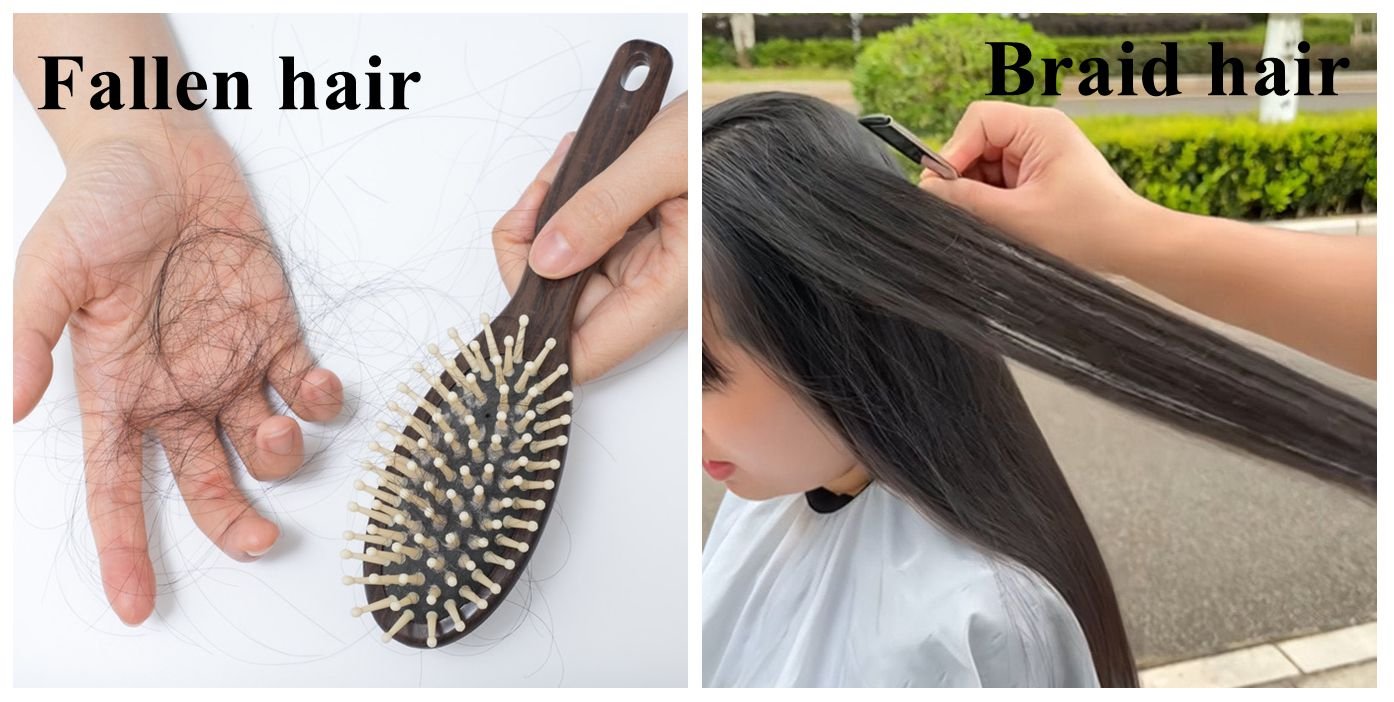
The real difference comes down to three strict criteria: the hair source (braid hair vs. fallen hair), the cuticle direction (aligned vs. mixed), and the cuticle condition (intact vs. stripped).
Dive Deeper
To truly understand Remy vs Non-Remy hair extensions, we must look at the biology of the hair and how it is collected.
1. Hair Source (Braid Hair vs. Fallen Hair)
- Remy Hair: High-quality Remy hair is ideally collected directly from donors as a cut braid. This ensures all strands are healthy, strong, and facing the same way.
- Non-Remy Hair: This hair typically comes from "fallen hair." This is hair collected from salon floors, hairbrushes, or temple waste.
2. Cuticle Direction
The cuticle is the protective, shingle-like outer layer of the hair shaft[^1].
- Remy Hair: Because the hair is cut in braid, the root ends and tip ends are never mixed. All cuticles point in the same downward direction.
- Non-Remy Hair: Since fallen hair is collected from various sources, the roots and tips are mixed up. When cuticles face opposite directions, they catch on one another like Velcro, causing instant matting when wet.
3. Cuticle Condition
- Remy Hair: The cuticle layer is mostly preserved and healthy. It requires very gentle processing, leaving the hair naturally shiny and strong.
- Non-Remy Hair: To stop mixed cuticles from tangling, factories must submerge the hair in an acid bath to strip most of the cuticles away. Once stripped, the hair is coated in a heavy layer of silicone to make it appear shiny and smooth.
| Feature | Remy Hair | Non-Remy Hair |
|---|---|---|
| Cuticle Direction | 100% Aligned (Roots to Tips) | Mixed / Stripped |
| Processing Method | Gentle, low-chemical dyeing | Acid bath to strip cuticles, heavy silicone |
| Natural Shine | High (From intact cuticles) | High initially (Silicone), fades after washing |
| Tangle Resistance | Naturally high | Low once silicone washes off |
How Long Do Remy vs Non-Remy Hair Extensions Last?
If you are building a premium hair brand, your customers will judge you based on one main metric: lifespan. If the hair turns into a dry, tangled nest after three washes, they will not buy from you again.
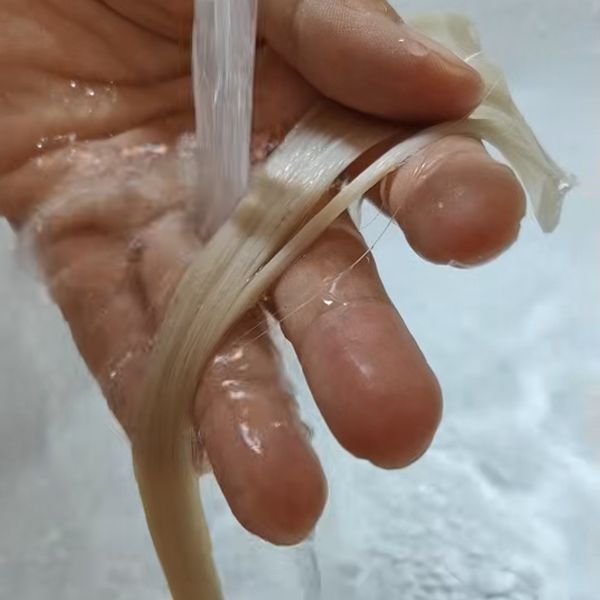
Remy hair extensions typically last between 6 to 9 months (or over a year if sourced from premium braids), whereas Non-Remy hair extensions have a shorter lifespan of about 3 months before the silicone coating washes off.
Dive Deeper
In our workshop, we run extensive wash tests to see how different hair grades perform over time. Here is the realistic breakdown of what you can expect from each category.
The Lifespan Hierarchy
[Premium Braid Remy] -------> 9+ Months (Longest Lifespan)
[Fallen Remy] --------------> 3-6 Months
[Fallen Non-Remy] ----------> 3 Months (Shortest Lifespan)
1. Premium Braid Remy Hair (9+ Months)
When we cut a healthy braid directly from a donor, the hair retains its natural elasticity and moisture. With proper aftercare, this hair easily lasts around 9 to 12 months, with proper care.
2. Machine-sorted Remy Hair (3 to 6 Months)
Yes, "Fallen Remy" exists. Factories use specialized sorting machines to align the roots and tips of fallen hair. While the cuticles are aligned, the raw hair itself is older and weaker than braid hair. It generally lasts 3 to 6 months.
3. Non-Remy Hair (Up to 3 Months)
Because Non-Remy hair has been stripped of its protective cuticle layer, it mainly relies on its silicone coating to stay smooth. After 5 to 10 washes without the use of conditioner or intensive hair treatments, the silicone coating will gradually wear off, revealing the hair's true condition. This exposes the porous core of the hair[^2]. It will quickly become dry, frizzy, and prone to matting. Typically, its lifespan is around 3 months, or slightly longer if worn very infrequently.
Which Hair Type Should You Buy for Your Business?
I often see new brand owners make the mistake of thinking they must buy 100% Remy hair for every product. This is often an unnecessary cost. Your choice should depend entirely on your product type and your target market's budget.
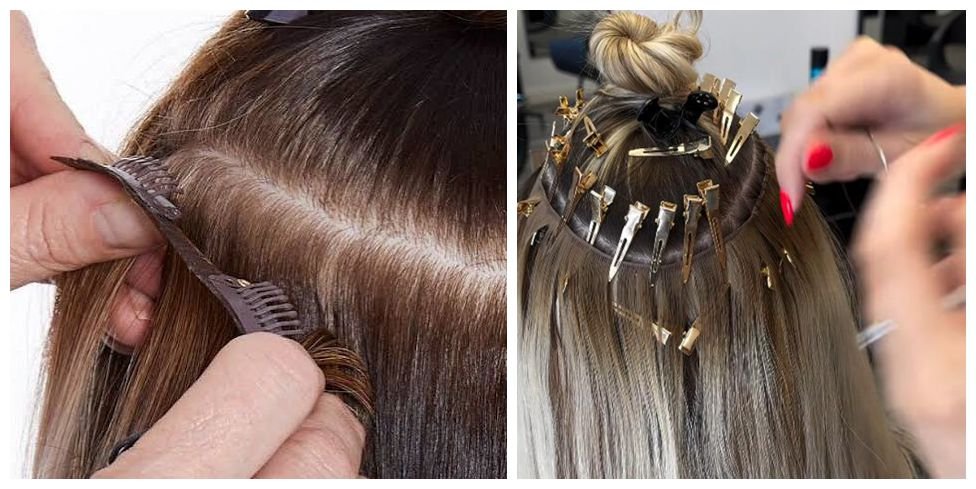
For installation methods like tape-ins and wefts, high-quality Braid Remy hair delivers the best performance. However, for buyers looking to balance quality and cost, Machine Sorted Remy hair can be a practical alternative that offers good durability and value. For temporary, DIY products like clip-ins and ponytails, Non-Remy hair is a very good choice and offers the best profit margins.
Dive Deeper
To build a profitable hair brand, you must match the raw material quality to the specific application method. Let us look at how you should structure your product line.
DIY and Temporary Products (Choose Non-Remy)
If you are selling temporary products like clip-in extensions, halo extensions, or clip-in ponytails, I highly recommend using Non-Remy hair.
- Most major retail brands** use Non-Remy hair for these products.
- Because the end-user takes these extensions out before sleeping and showering, the hair experiences very little friction.
- The silicone coating lasts much longer, making Non-Remy an incredibly cost-effective choice for this segment.
Permanent Installation Products (Choose Remy)
For professional methods like tape-ins, keratine bonds, genius wefts, and hand-tied wefts, your clients will wear the hair 24/7. They will sleep, shower, and exercise with them.
- High-End Markets: If your clients are premium salons and high-end stylists, it’s suggested to use Braid-sourced Remy hair. They require hair that stays soft and tangle-free for very long time.
- Mid-Tier Markets: If you target mid-range salons where clients want a balance of quality and price, go with Machine-sorted Remy hair (3–6 months lifespan).
- Budget Markets: If you compete purely on price, you can use Fallen Non-Remy hair, but you must manage your customers' expectations regarding lifespan.
Frequently Asked Questions
Can you color or bleach Non-Remy hair extensions?
I highly advise against coloring or bleaching Non-Remy hair. Because the hair has already gone through harsh acid baths and is covered in silicone, applying bleach will cause extreme damage. It will often melt the hair fibers or turn them gummy. For coloring and bleaching, always use high-quality Remy hair.
How can I test if my supplier sent me Remy or Non-Remy hair?
Run your fingers up and down a single hair strand. Remy hair should feel perfectly smooth going down (from root to tip) and offer slight resistance going up. If it feels exactly the same in both directions, it has likely been stripped of its cuticles (Non-Remy).
Why is Remy hair so much more expensive than Non-Remy?
Remy hair is expensive due to the scarcity of the raw material and the labor-intensive collection process. Sourcing healthy, intact braids from single donors is much harder than collecting fallen hair. Additionally, processing Remy hair gently without destroying the cuticles takes more time.
Conclusion
Choosing between Remy vs Non-Remy hair extensions comes down to your brand positioning and your products. Non-Remy hair is an excellent, cost-effective choice for temporary DIY products like clip-ins. However, for professional, long-wear installations, investing in premium Remy hair is the only way to ensure client satisfaction and repeat business.
As a high-end human hair manufacturer, we specialize in providing stable, premium Braid Remy hair and custom OEM/ODM services for professional salon brands worldwide. If you want to elevate your hair brand with reliable, salon-grade quality, contact us today to request a sample pack or discuss your sourcing needs.
[^1]: "Cuticle (hair)", https://en.wikipedia.org/wiki/Cuticle_(hair). The hair cuticle consists of overlapping, scale-like cells that protect the inner cortex from environmental damage and moisture loss. Evidence role: definition; source type: encyclopedia. Supports: the biological structure and protective function of the hair cuticle. [^2]: "Hair Porosity: What Is It? How to Determine Hair Porosity Type", https://campus.edu/blog/cosmetology/hair-porosity. Scanning electron microscopy confirms that chemical removal of the cuticle layer directly exposes the highly porous cortical fibers, making the hair highly hydrophilic and susceptible to environmental degradation. Evidence role: mechanism; source type: paper. Supports: the increase in hair porosity when the protective cuticle layer is removed.