Struggling to find a hair extension manufacturer that consistently delivers the premium quality your brand promises? You're not alone. The market is flooded with suppliers, but a single bad batch of hair can damage your reputation and alienate your clients. The solution isn't just about finding a factory; it's about finding a true partner who understands the art and science of hair.
To choose the right hair extension manufacturer, you must ask targeted questions about four key areas: hair quality and raw materials, product craftsmanship and control, business cooperation terms, and their approach to long-term partnership and risk. These questions reveal their true expertise, process stability, and ability to replicate sample quality in bulk orders.
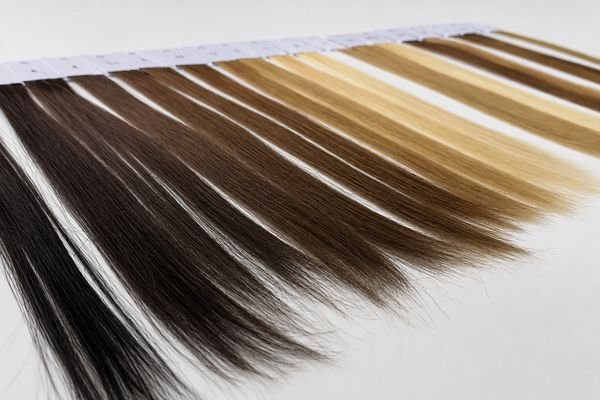
Finding a supplier who can confidently answer these questions is the first step toward building a reliable supply chain and a successful brand. The hair extension business is a craft, and your supplier should be a master craftsman. Let’s dive into the specific questions that will separate the experts from the amateurs.
What Should You Ask About Hair Quality and Raw Material?
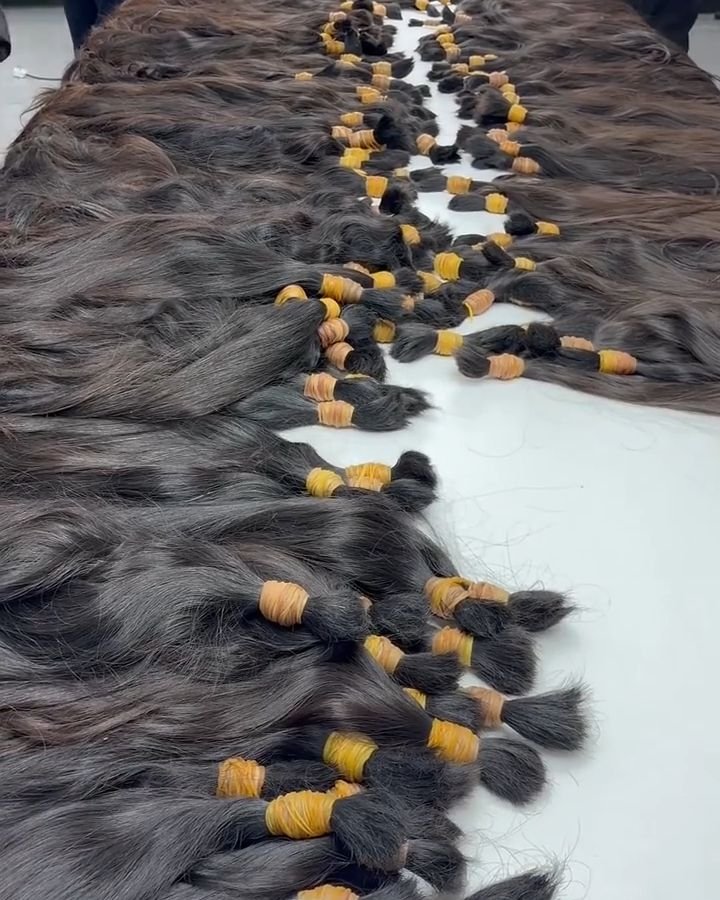
The quality of your final product is determined before the first weft is ever sewn. It starts with the raw hair itself. Many suppliers make grand claims, but their answers to these fundamental questions will reveal the truth about their sourcing and quality standards.
A potential hair extension manufacturer must be completely transparent about where their hair comes from and how they process it. This foundational knowledge is non-negotiable for any high-end brand that values consistency and excellence.
Dive Deeper: The Four Pillars of Hair Quality
I've seen it all in my years in this industry. Brands that skyrocket and brands that crash and burn. The difference often comes down to their understanding of the raw material. It's not a standardized industrial component; it's a natural, variable product. Here’s how to probe a potential supplier’s expertise.
1. Where do you source your hair, and what are your selection criteria?
A manufacturer's sourcing ethics and methods speak volumes. Vague answers like "from Asia" are a red flag. You need specifics.
- Geographic Origin: Do they source from specific regions known for quality hair, like Eastern Europe, India, or specific provinces in China?
- Collection Method: Is it temple hair, gathered from salons, or sourced directly from donors? Is it ethically sourced?
- Hair Type: Do they specialize in Remy hair, where all cuticles are aligned in the same direction to prevent tangling? Can they provide true virgin hair (unprocessed by chemicals) or even premium single-donor hair?
A top-tier supplier will have established, transparent supply chains. I once visited a supplier who could trace a batch of hair back to the specific collection region. That’s the level of detail that builds trust.
2. How do you define and grade your hair quality?
The "A-grading" system (e.g., 6A, 8A, 10A) is largely a marketing gimmick with no industry-wide standard. What one company calls "10A," another might consider "8A." Don't fall for it.
Instead, ask them to define their grades based on tangible metrics:
- Cuticle Integrity: What percentage of the hair has intact, aligned cuticles?
- Short Hair Ratio: What is the ratio of long strands to short strands in a bundle (i.e., is it single drawn, double drawn, or super double drawn)?
- Processing Level: Is the hair chemically unprocessed (virgin), lightly processed for color, or heavily treated?
A great hair extension manufacturer will be able to provide a clear spec sheet or definition for each of their grades, moving beyond meaningless "A's" and into real, measurable quality.
3. How do you ensure the bulk order will match the approved sample?
This is the million-dollar question. A beautiful sample is useless if the full order doesn't match. This is where process control comes in.
Ask about their "sample to bulk" consistency process:
- Do they reserve a portion of the exact same raw hair batch used for the sample for your potential bulk order?
- Do they have documented production parameters (color formulas, processing times) that can be precisely replicated?
- Do they keep a "master sample" from your approval in their lab to compare against the final production run?
In my experience, consistency is the hardest thing to achieve in this business. A manufacturer who has a clear, documented system for replicating quality is worth their weight in gold.
4. What is your hair processing method?
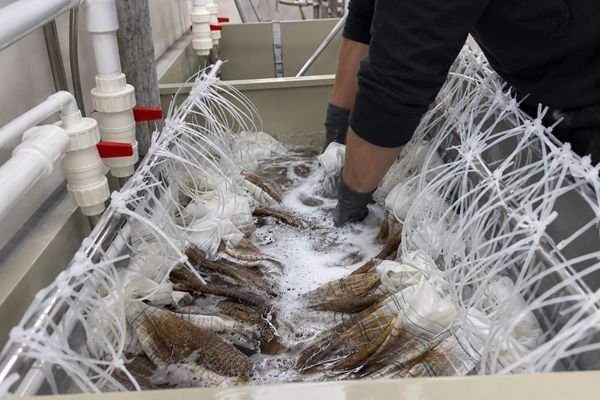
Harsh processing can destroy even the best raw hair. An acid bath can strip cuticles to prevent tangling, but it also ruins the hair’s natural strength and shine, leading to a shorter lifespan.
Ask about their techniques:
- Lifting/Coloring: Do they use a slow, gentle lifting process to preserve cuticle health, or do they blast it with high-potency bleach?
- Cuticle Alignment: If the hair is not single-donor Remy, what is their process for aligning the cuticles? Do they rely on a silicone coating to mask underlying issues?
- Sanitization: How is the hair cleaned and sanitized? Are the methods gentle enough to avoid damaging the hair structure?
A partner focused on high-end products will speak proudly of their gentle, time-consuming processing methods, viewing it as a critical part of their craft.
How Can You Verify a Hair Extension Manufacturer's Craftsmanship?
Once you're confident in the raw material, the next step is to scrutinize the manufacturing process. This is where hair becomes a product. Inconsistent lengths, inaccurate weights, and poor weft construction are common problems that separate average suppliers from elite ones.
When vetting a hair extension manufacturer, you must understand their quality control for the physical product. Their ability to control specifications for color, weight, and construction—and their willingness to prove it—is paramount.
Dive Deeper: From Raw Hair to Flawless Extensions
The transformation from a bundle of raw hair to a finished, sellable extension is a multi-step process filled with potential pitfalls. A detail-oriented manufacturer will have controls at every stage.
5. What are your tolerances for color, texture, length, and weight?
Precision is key. "Close enough" isn't good enough for a premium brand.
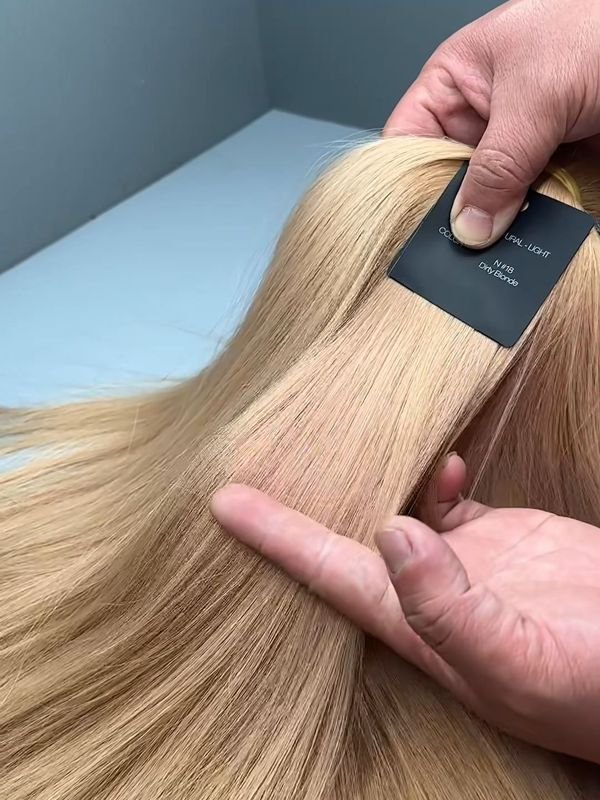
- Color: Ask for their color deviation tolerance using a standard like the Delta E (dE) color difference metric. Can they guarantee a match to your color ring?
- Length: If you order 20-inch extensions, what percentage of the hairs will actually be 20 inches? This goes back to the double-drawn vs. single-drawn standard.
- Weight: What is the acceptable weight variance per bundle or per piece? For a 100g weft, is their tolerance ±1g or ±5g? This adds up quickly over a large order.
- Texture: How do they ensure a consistent wave or curl pattern across thousands of bundles? Do they use steam processing or chemical perms?
A professional supplier will have clear, numerical answers to these questions. They should be able to provide a technical specification sheet that outlines these tolerances.
6. Can you describe your pre-shipment quality checks?
A final check is your last line of defense against a bad batch. It should be more than a quick glance.
Ask for details on their pre-shipment QC process:
- Who: Is it a dedicated QC team, or just the production manager? Are they independent of the production line?
- What: What specific tests do they perform?
- Wash Test: To check for tangling, shedding, and color bleeding.
- Burn Test: To verify it's 100% human hair.
- Measurement Check: Verifying length and weight against the order specs.
- Visual Inspection: Checking for weft integrity, return hair length (the "beard"), and overall finish.
- How: What is their sampling rate? Do they inspect every single piece, or a percentage (AQL - Acceptable Quality Limit) of the batch?
I always ask potential partners to send me their internal QC checklist. A manufacturer who is proud of their process will share it without hesitation.
7. Can you walk me through your manufacturing process?
This open-ended question encourages them to explain their craft. Listen for signs of expertise and care.
Ask them to describe key stages, such as:
- Wefting: Are their wefts machine-sewn or hand-tied? If machine-sewn, is it a double or triple weft for durability? How do they minimize the "beard"?
- Tipping: For I-tips, U-tips, etc., what kind of keratin do they use? Is it high-quality Italian keratin that won't break down or cause damage?
- Finishing: Do they apply a final silicone coat? While a light coat can add shine, a heavy coat is often used to mask low-quality, cuticle-stripped hair. Transparency here is crucial.
A passionate manufacturer will talk about their process like an artist describing their technique. They'll explain why they do things a certain way, linking each step back to the final quality of the product.
What Questions Define the Business Partnership?
Finding a technically proficient manufacturer is only half the battle. They also need to be a good business partner. Their policies on customization, order quantities, and production speed will determine how agile and successful your business can be.
Your relationship with a hair extension manufacturer is a partnership. You need to ensure their business model aligns with yours, especially regarding flexibility, scalability, and delivery timelines.

Dive Deeper: Aligning Your Business Needs
Your brand's unique selling proposition might be custom colors or serving a niche market. Your supplier must be able to support that vision.
8. What are your capabilities for custom orders and what are your MOQs?
This is critical for brands that want to stand out.
- Customization: Can they create custom colors from a swatch? Can they produce unique textures or hybrid extensions (like a mix of tape-in and weft)? What is their R&D process for new products?
- Minimum Order Quantity (MOQ): Is their MOQ calculated per order, per color, per length, or per item? A high MOQ can kill your cash flow and limit your ability to test new products. A flexible supplier might offer a lower MOQ for initial orders or for sampling new shades.
I’ve worked with startups that needed a supplier willing to grow with them, starting with small, custom batches. A manufacturer with rigid, high MOQs is built for volume, not partnership and innovation.
9. What is your typical production capacity and lead time?
You need to manage your inventory and meet customer demand. Unpredictable lead times can be a business killer.
Here's a breakdown of what to ask:
| Question | Why It Matters |
|---|---|
| What is your monthly capacity? | Tells you if they can handle your brand's growth. |
| What's the lead time for a sample? | A fast sample turnaround allows for quicker decisions. |
| What's the lead time for a bulk order? | You need this to plan your inventory cycles. Ask how it changes during peak seasons (like before holidays). |
| Do you offer expedited production? | Is there a rush option available (for a fee) if you sell out unexpectedly? |
A transparent manufacturer will give you realistic timelines and communicate proactively about any potential delays. They understand that their production schedule directly impacts your sales.
How Do You Assess Long-Term Risk?
Even with the best manufacturer, issues can arise. A product defect, a shipping delay, or a customer complaint can happen. A true partner doesn't disappear when things go wrong; they work with you to find a solution.
The ultimate test of a hair extension manufacturer is how they handle problems. Their after-sales support and complaint resolution process reveal their commitment to a long-term partnership over a short-term sale.

Dive Deeper: Planning for the Unexpected
A perfect production run every time is a fantasy. The real measure of a supplier is their response to imperfection.
10. What is your process for handling complaints or product issues after delivery?
This is the final, and perhaps most important, question.
- Policy: Do they have a formal return or replacement policy? What is the timeframe for reporting an issue?
- Investigation: If a client complains about tangling, how do they investigate? Do they ask for the product back to analyze it in their lab?
- Resolution: What are the potential outcomes? A refund, a replacement order, or a credit toward a future purchase?
- Accountability: Do they take responsibility, or do they blame the client's aftercare? A good partner will work with you to educate the end-user but will also stand behind their product if it's found to be faulty.
I once had an issue with a batch where the color was slightly off. My supplier didn't just apologize; they expedited a replacement order at their own cost and provided a detailed report on what went wrong in their process to prevent it from happening again. That’s a partner. That's the kind of hair extension manufacturer you want on your team.
Frequently Asked Questions
What's the difference between Remy and non-Remy hair?
Remy hair is collected and processed with all cuticles facing the same direction, from root to tip. This maintains the hair's natural smoothness and prevents tangling. Non-Remy hair has mixed cuticle directions, which causes friction and matting. It's often coated in silicone to feel smooth initially, but this washes away, revealing the poor quality.
Why is single-donor hair considered premium?
Single-donor hair comes from one individual. This ensures perfect consistency in color, texture, and thickness throughout the bundle. It's the purest form of hair available, making it ideal for the most demanding clients and for achieving flawless, natural-looking results. It is the gold standard for high-end extensions.
How can I test a hair extension sample?
First, perform a visual and tactile inspection for softness and thickness. Then, do a wash test: shampoo and condition the hair to see if it tangles, sheds, or loses its texture. You can also perform a burn test on a few strands—human hair will singe and smell like burnt hair, while synthetic fibers will melt into a plastic bead.
What is a reasonable lead time for a custom hair extension order?
For a custom order, a reasonable lead time can range from 4 to 8 weeks, depending on the complexity and quantity. This includes time for sourcing specific raw hair if needed, custom color development, production, and quality control. Always confirm this with your manufacturer, as peak seasons can extend these timelines.
Conclusion
Choosing the right hair extension manufacturer is one of the most critical decisions you will make for your brand. It's far more than a simple transaction; it's the formation of a partnership. By moving beyond surface-level questions and probing into their sourcing, craftsmanship, business practices, and long-term support, you can find a supplier who is as invested in your brand's quality and reputation as you are. Remember, this industry is a craft. Your goal is to find an artisan who can consistently and reliably produce excellence.
If you're looking for a high-end partner who welcomes these questions and provides transparent, expert answers, we should talk. Contact us today to discuss your brand's needs and discover how our commitment to quality craftsmanship can elevate your business.