Struggling to find a reliable human hair extension supplier can feel like navigating a minefield. You've likely experienced the frustration: you receive a perfect sample, only for the bulk order to be a completely different quality. In an industry with few universal standards[^1], this inconsistency can damage your brand and your bottom line. The solution isn't just finding a supplier with a good product; it's finding a partner with solid, transparent processes.
To choose a reliable human hair extension supplier, you must audit their capabilities in four key areas beyond just the product itself. Evaluate their process for maintaining quality consistency, their transparency in communicating delivery timelines (including delays), their responsiveness and clarity in communication, and their structured approach to after-sales support. A trustworthy partner demonstrates strength in these operational pillars, not just in their marketing claims.

Now that you have the core framework, let's dive into the practical, real-world questions you need to ask. I'll share the "unwritten rules" I've learned over years in this business to help you separate the true partners from the transactional sellers.
How Do You Audit Quality from a Human Hair Extension Supplier?
You receive a sample that feels like silk and has the perfect color. It's exactly what your brand needs. But a nagging voice asks, "Can they do this 1,000 more times?" This fear of inconsistency is the biggest challenge when vetting a new hair extension manufacturer. The solution is to shift your focus from the sample itself to the system that produced it.
To truly audit quality, you must investigate a supplier's process for consistency. Ask them directly: "How do you ensure the color, texture, and length of batch #100 will be identical to batch #1?" Their answer will reveal more about their reliability than any single hair weft ever could.
Dive Deeper: From "Good Sample" to "Consistent Production"
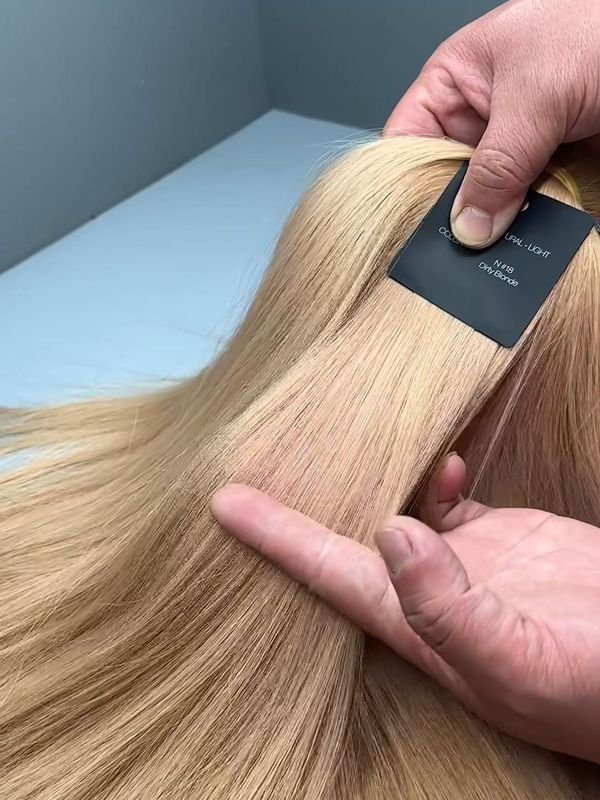
Let's be honest, the hair extension industry isn't like manufacturing standardized electronic parts. There's no universal Pantone chart for "Ash Blonde #8" or an industry-wide QC document that every factory follows. This is where many new brand owners get into trouble. They fixate on a spec sheet, but the real value is in a supplier's ability to replicate results.
In my experience, the most successful partnerships are built on a shared understanding of this reality. When I talk to potential partners, especially new brands, I encourage them to move beyond just the sample. A sample is a promise; a consistent production run is proof.
Here’s how you can test this:
-
Ask the Golden Question: "What is your process for ensuring batch-to-batch consistency?" A great supplier will welcome this question. A weak one will get defensive.
-
Look for a Process-Driven Answer: A reliable partner will describe their system. Their answer should sound something like this:
"For every new client or custom order, we create a 'Master Sample.' This sample is signed off by you and us, and we keep a portion of it here at our facility. Every future production run is then compared against this physical master sample at three key stages: after coloring, during wefting, and in final packaging. Our QC team uses a detailed checklist based on that master sample to check color, texture, length, and weight."
-
Watch for Red Flags: A less reliable supplier will give you vague assurances instead of a process. Be wary of answers like:
- "Don't worry, our quality is the best."
- "We have experienced workers."
- "We always use good hair."
These statements mean nothing without a system to back them up. Experience is great, but a process is what makes that experience repeatable and scalable for your brand. I always recommend placing a small trial order first, then a second one a month later. The real test isn't if the first order is good, but if the second one is a perfect match.
How Can You Judge a Supplier’s Delivery Reliability?
You have a marketing campaign planned and salons waiting for their stock. The delivery date your supplier gave you is approaching, but you're met with silence. We've all been there. Production and shipping delays are a reality of global trade, but how a supplier handles them is what separates the pros from the amateurs.
The key to judging delivery isn't finding a supplier who promises they never have delays—that's a fantasy. It's finding one who has a transparent and proactive process for communicating delays the moment they arise. A reliable partner respects your business enough to give you bad news early.
Dive Deeper: Transparency is the New Punctuality
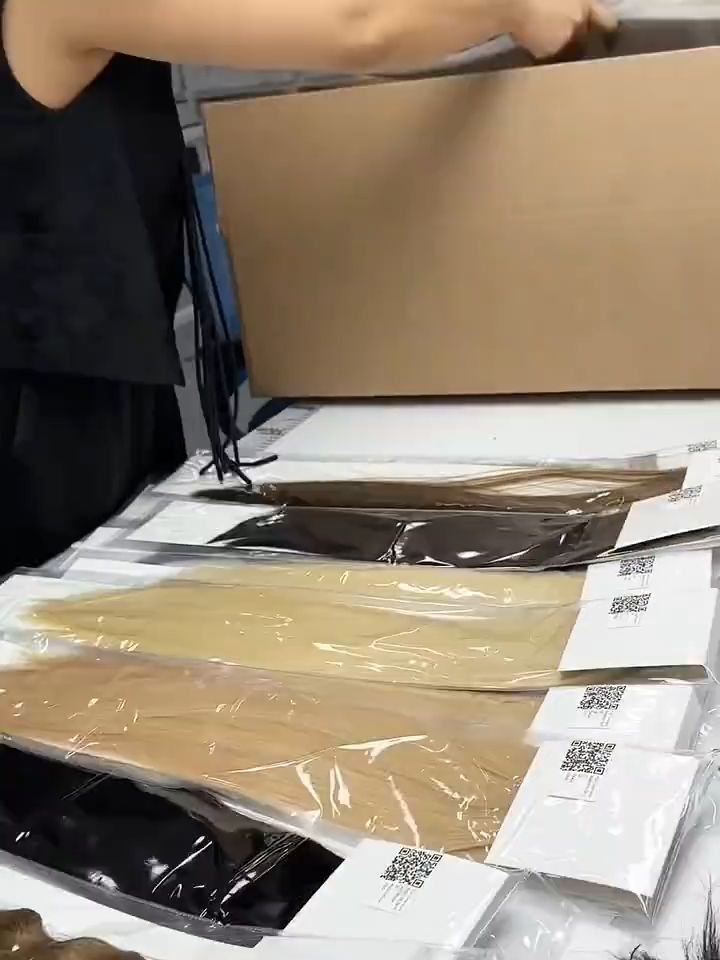
In an ideal world, every order would arrive on the exact day promised. But in the real world, production can be delayed for many reasons—a batch of raw materials doesn't meet quality standards and needs to be replaced, a key machine requires maintenance, or a public holiday impacts the schedule.
A supplier who pretends these things don't exist is not being honest. A supplier who has a plan for when they do happen is a true partner.
Here’s the most revealing question you can ask about their delivery process:
"Tell me about the last significant production delay you had with a client. What caused it, and how did you handle it?"
This single question cuts through the sales pitch.
-
A Good Answer (The Partner): They will be open and honest. They'll own the situation.
"About two months ago, we had a seven-day delay on a large order for a brand in Europe. The custom color required an extra round of toning to perfectly match their master sample, and we refused to ship it until it was right. We notified the client on day three of the potential delay, explained the reason, sent them photos of the progress, and confirmed the new ship date a full week before the original one. It was a tough conversation, but they appreciated that we prioritized quality and kept them informed."
-
A Bad Answer (The Seller): They will get defensive, blame others, or lie.
- "We don't have delays." (A major red flag).
- "The shipping company was the problem." (Deflecting blame without owning their part).
- They get vague and change the subject.
Remember, a delay that is communicated early is a planning challenge. A delay you discover yourself by chasing your supplier is a crisis. A reliable human hair extension supplier gives you time to adjust your plans, manage your customers' expectations, and maintain control of your business.
What Makes Communication a Deal-Breaker with a Hair Supplier?
You've sent a list of detailed questions about sourcing, color processing, and weft types, only to receive a two-word email reply: "All good." This kind of poor communication is more than just annoying; it's a direct preview of the partnership you can expect. After they have your money, that two-word reply will become no reply at all.
In an industry where contracts can't cover every nuance, clear, responsive, and detailed communication is the contract. The way a potential supplier communicates with you during the vetting process is the absolute best indicator of how they will treat you as a long-term partner.

Dive Deeper: Your Questions Are a Test (And That's a Good Thing)
Think of your initial list of questions as a communication test. You aren't just trying to get information; you're evaluating their willingness to engage in a detailed, professional dialogue.
I often advise clients to schedule a video call early in the process. It's an incredibly efficient way to gauge their professionalism and build rapport. It also lets you see if you're talking to a knowledgeable person or just a sales rep reading from a script.
Here’s how to assess their communication style:
- Responsiveness: How long does it take them to reply to your emails? A good partner will reply within one business day, even if it's just to acknowledge your message and tell you when they'll have a full answer.
- Clarity and Detail: Do they answer all parts of your questions, or do they cherry-pick the easy ones? A great supplier will provide detailed answers, ask clarifying questions, and demonstrate their expertise. A bad one gives vague, one-size-fits-all responses.
- Attitude: Are they patient and helpful, or do they seem annoyed by your detailed questions? A true partner is eager to educate you and build your confidence. A supplier who acts like your questions are a burden is a massive red flag.
I once worked with a new brand owner who was hesitant to ask "too many questions." I told her the opposite: ask more. Ask about their process for handling returned goods, their minimum order quantities for custom colors, and their sourcing ethics. A reliable human hair extension supplier will see this as a sign of a serious, professional buyer. A transactional seller will see you as difficult. Who would you rather partner with?
How Do You Test a Reliable Human Hair Extension Supplier’s After-Sales Support?
Everything is going great. You've received several orders, the quality is consistent, and your customers are happy. Then, three months after a sale, a stylist calls you. Their client's extensions are matting. Your brand's reputation is now on the line. What happens next is the ultimate test of your supplier relationship.
The true character of a supplier isn't revealed when things go right; it's revealed when things go wrong. Before you commit to any significant orders, you must have a crystal-clear understanding of their after-sales process. A partner helps you solve the problem; a mere seller tells you it's your problem alone.
Dive Deeper: The Real Partnership Begins When Something Goes Wrong
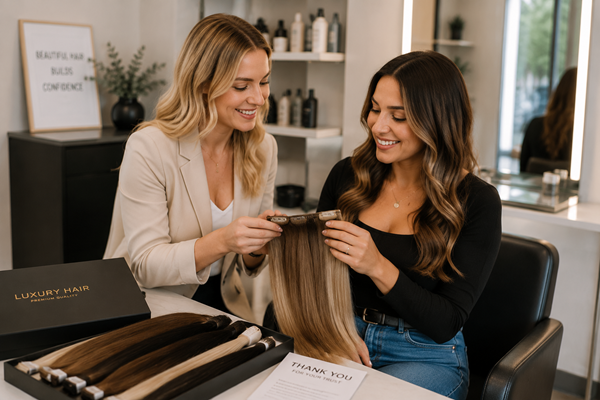
Many businesses think of "after-sales support" as a simple return policy. In the B2B world of hair extensions, it's much more complex. Issues might not surface for months, and the cause could be anything from a product flaw to improper installation or aftercare. A great partner understands this and works with you to find a solution, not an escape clause.
Before signing a contract, ask this direct and specific scenario-based question:
"Imagine one of my salon clients reports a significant tangling issue with a batch they purchased from me three months ago. The hair came from your factory. What is your standard procedure in this situation?"
Their response will tell you everything.
-
A Good Answer (The Partner): They will outline a clear, collaborative process.
"The first thing we would do is ask you to get detailed photos and videos of the issue, along with the batch number from the packaging. We would ask for details on the installation and aftercare products used. Our technical team would review this information and compare it to our production records for that batch. If it looks like a potential product issue, we would arrange to have the hair sent back to us for lab analysis. We see this as a shared problem and would work with you on a fair solution for your client, whether it's a replacement or credit."
-
A Bad Answer (The Seller): They will immediately deflect or point to policy.
- "Our return policy is only 30 days."
- "The stylist must have installed it wrong."
- "The client probably used the wrong shampoo."
While installation and aftercare are critical, a partner's first reaction is to investigate, not blame. They protect your brand because they see your success as their success. When you find a supplier who views problems as shared challenges, you have found more than a vendor—you have found a foundational partner for your business's growth.
Frequently Asked Questions
What's a reasonable first order when testing a new supplier?
Start with a small, manageable order that is large enough to test their production consistency but small enough not to pose a major financial risk. An order of 1-3 kilograms (around 10-30 pieces) is often a good starting point. This allows you to check if the bulk quality matches the initial sample.
Is it better to work with a factory or a trading company?
Focus on the supplier's systems and communication, not their business label. A great trading company with deep industry relationships, excellent communication, and strong QC processes can be a better partner than a disorganized factory. The four pillars—quality consistency, delivery transparency, communication, and after-sales support—are what matter most.
What are the biggest red flags to watch for when vetting a supplier?
The biggest red flags are poor communication and a lack of transparency. If they are slow to respond, give vague answers, or get defensive when you ask detailed questions about their processes or past mistakes, it's a strong indicator of how they will behave once they have your business.
Conclusion
Choosing a reliable human hair extension supplier goes far beyond simply finding the best-looking hair sample. It's about building a partnership with a company whose operational DNA aligns with your brand's needs. The framework is simple but powerful: audit their commitment to Quality Consistency, their transparency during Delivery, their clarity in Communication, and their collaborative approach to After-Sales Support. By focusing on these four pillars, you shift from being a buyer hoping for the best to a professional partner building a resilient and scalable supply chain.
If you're a brand, distributor, or salon professional looking for a high-end manufacturing partner that values transparency and operates on these principles, I invite you to get in touch. Let’s schedule a consultation to discuss how our OEM/ODM services and stable supply chain can help you build your brand with confidence.
[^1]: "Global Hair Extensions Market Size, Trends, Share 2026-2035", https://www.custommarketinsights.com/report/hair-extensions-market/. Industry analyses and reports from market research firms note the absence of universal grading or quality control standards in the global human hair extension market, leading to significant variability in product quality between suppliers. Evidence role: general_support; source type: research. Supports: The claim that the hair extension industry lacks universal, enforceable quality standards..